Search resin driveways and you find a mix of glossy sales pitches and scare stories, often written by people selling something else. We lay resin driveways, so we have a stake in this, but the useful version is the honest one: there are real advantages and real downsides, and almost every downside comes down to who lays it and what it is laid on. Here are both sides straight, starting with what a resin drive genuinely does well.
The advantages (scan this first)
| Advantage | Why it holds up |
|---|---|
| Permeable, so usually no planning application | A resin-bound drive lets rain soak straight through, so it typically meets drainage rules where a non-permeable surface would not |
| Seamless and weed-free | No joints like block paving, so nothing for weeds to push through and no slabs to sink or rock |
| Smooth and comfortable underfoot | Flat and even for prams, bins, bikes and wheelchairs, with none of the loose stones a gravel drive scatters up the path |
| A wide choice of colours | A broad range of aggregate blends and colours to suit the house rather than one grey slab |
| Long-lived with little upkeep | Laid right it lasts many years on an occasional wash, so the cost-per-year is lower than it first looks |
Taken together those are the reasons people choose resin over gravel, tarmac or block paving. The permeability is the one worth understanding: because a resin-bound surface drains through itself, it usually sidesteps the planning and drainage headache that a solid surface brings, which we set out in our guide to planning permission for a resin driveway. The seamless finish is the other big one: with no joints there is nothing to lift, rock or grow weeds through, unlike block paving, and none of the loose stone that a gravel drive kicks up the garden and into the hall. Laid on a sound base it then lasts for years, as we cover in how long a resin driveway lasts.
So much for the upside. The downsides are just as real, and being straight about them is the whole point of this page.
The real disadvantages (scan this first)
| Disadvantage | How real it is, and how it is avoided |
|---|---|
| Only as good as the base | The biggest one. A sound, suitable base is everything; a good installer prices the base honestly rather than skinning over a bad one |
| Can crack or come loose | Almost always a base or workmanship failure, not the resin. Proper prep and the right build stop it |
| UV fade or yellowing | A risk with cheap resin. A quality UV-stable resin holds its colour |
| Slippery if grip is skipped | Avoided by speccing the right aggregate and finish for the use |
| Weeds and moss | Only on a poorly laid or neglected surface; a clean, well-bound install stays clear |
| Cost and not DIY-friendly | Dearer than tarmac or a paint, and it needs professional laying. It also lasts far longer |
Notice the pattern: most of the list is not the surface failing, it is the install failing. Here is each in detail.
1. It is only as good as the base underneath
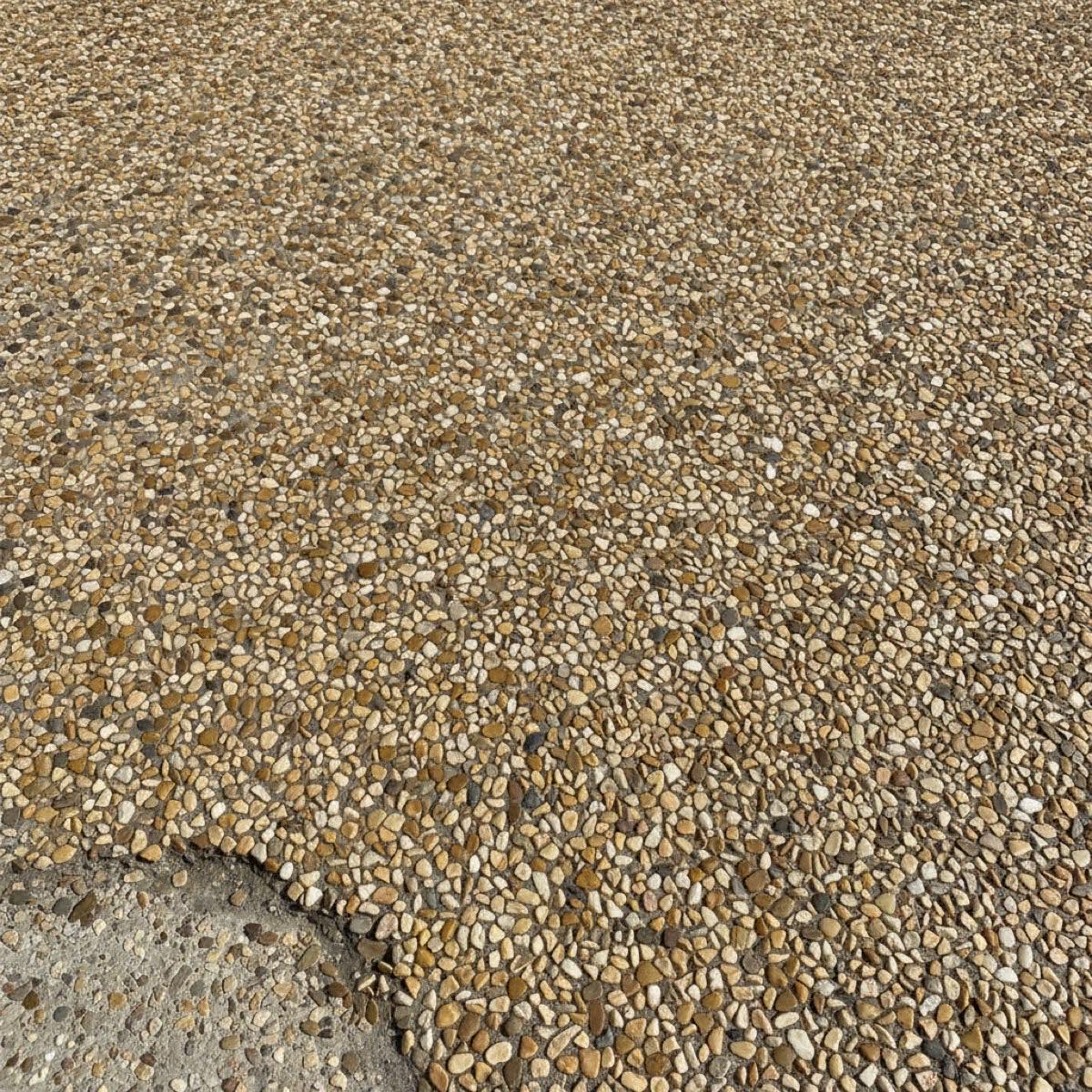
This is the disadvantage that matters more than all the others put together. A resin driveway is laid onto a base, and if that base is unsound, moves, or drains badly, the resin on top inherits the problem. The trap is that resin surfacing can be laid straight over a questionable base to win a job on price, and it then fails within a couple of seasons. The fix is not a secret: a proper installer assesses what is down, tells you honestly whether it can be used or needs work, and prices that base properly, which is often the biggest single line on the quote. If a resin driveway quote looks suspiciously cheap, the base is usually what has been left out.
2. A bad install can crack or come loose
Cracking, lifting and loose patches are the failures people fear most, and they are real, but they are workmanship and base failures, not an inherent flaw in resin. They come from laying on a moving or unsuitable base, getting the resin-to-aggregate mix wrong, or laying in the wrong conditions. Laid correctly on a sound base, a resin-bound surface is tough and long-lived, as we set out in our guide to how long a resin driveway lasts. The defence is entirely about the installer: right base, right mix, right conditions.
3. UV fade or yellowing with the wrong resin
Some resins amber or fade in sunlight over time, and on a south-facing drive that shows. It is a genuine disadvantage, but it is a materials choice, not a law of physics: a quality UV-stable resin is formulated to hold its colour outdoors. It is worth asking any installer what resin they use and whether it is UV-stable for exterior work. We cover the chemistry of this in our guide to whether resin flooring goes yellow.
4. It can be slippery if grip is not built in
A resin surface that has not had grip considered can be slick when wet, which matters on a sloped drive. Again, this is a spec decision rather than an unavoidable downside. The aggregate, its grade and the finish all control traction, and a competent installer specs them for how the surface will actually be used, building in extra grip on a slope or a shaded area that stays damp.
5. Weeds and moss (only on a poor or neglected surface)
One of resin-bound's selling points is that, laid well, there are no joints for weeds to push through, unlike a slabbed or block-paved drive. So persistent weeds usually mean either a poorly bound surface or one that has been left to gather organic muck in which seeds settle. A correctly laid surface and an occasional wash keep it clear; this is low-maintenance, not no-maintenance.
6. Cost, and it is not a DIY job
A resin driveway costs more up front than tarmac or a coat of paint, and it has to be laid by people who know what they are doing, so you cannot shave the cost by doing it yourself the way you might with gravel. That is a fair disadvantage on a tight budget. The counterweight is lifespan and upkeep: a well-laid resin drive lasts many years with little maintenance, so the cost-per-year often undercuts a cheaper surface you replace or patch sooner. The real price is driven by area, the base and access, the same factors we set out in our cost guide.
The pattern worth spotting
Weighing up a resin driveway?
Tell us the rough size and what is down now. We will give you a straight assessment of the base and a fixed-price written quote, with no pressure to go ahead.
So are resin driveways worth it?
For most homes, yes, provided it is laid properly on a sound base. The disadvantages are real but almost entirely avoidable, and they cluster around the install rather than the surface. Done right, you get a smooth, permeable, weed-free, long-lived driveway; done cheaply on a bad base, you get the horror stories. If you are still deciding between surface types, our guide to resin-bound vs resin-bonded driveways explains which resin surface suits a drive, and if you are checking the rules, our guide to planning permission for a resin driveway covers drainage and permeability. When you are ready, see resin-bound driveways in Leicester.
About this guide
Who wrote this
This guide is written by the Obsidian Resin team. We lay resin-bound driveways across Leicestershire, and the disadvantages here are the ones we get asked about most, answered the way we would answer them stood on your drive.
Our honest position
We make our living laying resin, so take the upside with that in mind. But the failures above are bad for us too: a cracked or faded drive is the opposite of an advert, which is exactly why we would rather sort the base first or turn a job down than lay over a problem.
Frequently asked questions
- What are the advantages of a resin driveway?
- A resin-bound drive is permeable, so rain drains through it and it usually needs no planning application. It is seamless, so there are no joints for weeds to grow through or slabs to sink, and smooth underfoot with none of the loose stone a gravel drive scatters. It comes in a wide range of colours and, laid on a sound base, lasts many years with just an occasional wash.
- What are the main disadvantages of a resin driveway?
- It is only as good as the base under it, a cheap resin can fade or yellow in UV, it can be slippery if grip is not specced, and it is dearer than tarmac and not a DIY job. Most of these come down to the installer and the base rather than the surface itself.
- Do resin driveways crack?
- They can, but cracking is almost always a base or workmanship failure rather than a flaw in the resin. Laid correctly on a sound, stable base, a resin-bound driveway is tough and long-lived.
- Do resin driveways fade in the sun?
- A cheap resin can amber or fade in UV. A quality UV-stable resin is formulated to hold its colour outdoors, so it is worth asking an installer what resin they use for exterior work.
- Are resin driveways slippery?
- Only if grip has not been considered. The aggregate grade and finish control traction, and a good installer specs them for the use, building in extra grip on slopes or shaded, damp areas.
- Do weeds grow through a resin driveway?
- A well-laid resin-bound surface has no joints for weeds to push through, so persistent weeds usually mean a poorly bound surface or one left to gather organic debris. An occasional wash keeps it clear.
- Are resin driveways worth it despite the disadvantages?
- For most homes, yes, as long as it is laid properly on a sound base. The disadvantages are real but largely avoidable, and a well-laid resin drive is smooth, permeable, weed-free and long-lived.