A resin driveway that is lifting, cracking or crumbling is almost always telling you something about what is underneath it. The resin surface takes the blame, but the cause is usually the base or the way it was laid. Here is what the common problems actually mean, when a repair will hold, and when the honest answer is to resurface.
Common resin driveway problems and what causes them
| Problem | Usual cause | What it needs |
|---|---|---|
| Loose or crumbling patches | Wrong resin-to-stone ratio or a weak base | Cut out and patch, or resurface if widespread |
| Cracks | Movement in the base below | Fix the base first, then repair the surface |
| Potholes or depressions | Base failure or washout underneath | Rebuild the base locally, then relay |
| Colour loss or ambering | A cheap, non-UV-stable (aromatic) resin yellowing in sunlight | No sealer fixes it; resurface with a UV-stable resin |
| Loose stone / fretting | Too little resin in the mix, or laid in the wet or cold | Overlay or resurface, depending on how widespread |
| Rust-coloured spotting | Iron pyrites in cheap aggregate oxidising when wet | A materials fault, not workmanship; resurface with clean stone |
| Ponding / standing water | Too much resin closing the pores, or a blocked/non-porous base | Assess drainage; resurface the affected area |
| Weeds or moss at the edges | Gaps at a poor edge detail | Reseal or re-detail the affected edge |
Read down that list and a pattern jumps out: nearly every one traces back to the base or the install, not the resin. That matters, because it decides whether a patch will actually last.
Most 'resin failures' are base failures
Why patches rarely blend perfectly
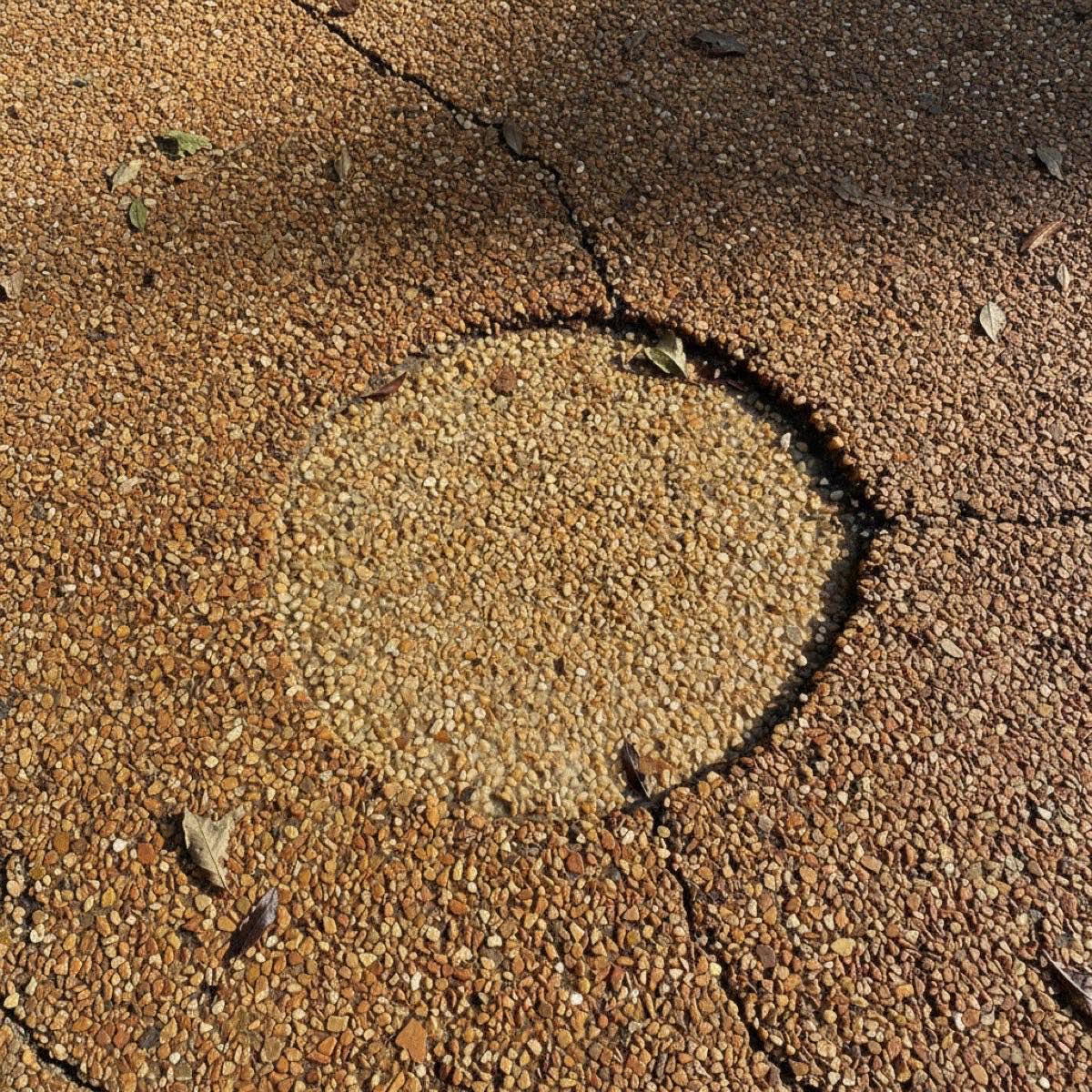
A repair can be structurally sound and still show. The aggregate is naturally sourced, so colour varies a little from batch to batch, and fresh stone sits bright against surrounding material that has weathered and dulled. A new patch can take anywhere from a few days to a month to weather toward the surrounding colour, and it may never match exactly. For a hidden corner or a purely structural fix that is fine; on a prominent area most people prefer to resurface for an even finish. We are upfront about which outcome to expect before we start.
Overlaying instead of ripping up
There is a middle option people often do not know about. Where the surface has largely failed, loose stone, fretting or surface cracking, but the base underneath is still sound, a fresh resin-bound layer can be laid straight over the existing one. That gives you effectively a new surface and stops further surface cracking, without the cost of a full dig-out. The one thing to watch is height: an overlay raises the level a little, so kerbs, thresholds and door clearances have to have room for it. If the base has gone, though, an overlay only buys time, and a proper rebuild is the honest answer.
Driveway lifting, cracking or crumbling?
Send us a photo and roughly how much is affected. We will tell you honestly whether it is a patch repair or a resurface, and put a fixed price in writing.
Repair or resurface?
A patch repair usually makes sense when:
- The problem is small and isolated, and the rest of the drive is sound.
- The base under the affected area is still solid.
- The spot is not prominent, so a slight colour difference does not matter.
Resurfacing over a corrected base is usually the honest answer when:
- The failure is widespread, or the base has moved or washed out.
- The colour has ambered from a poor resin across the whole drive.
- You want one even finish rather than a visible patchwork.
Do resin driveway repair kits work?
DIY repair kits have their place for a tiny cosmetic touch-up, but they will not fix a base problem, and getting a patch to blend with weathered resin is harder than it looks. If the drive is loose, cracking or sinking, a kit treats the symptom while the real cause carries on underneath. It is usually worth getting the cause assessed before spending on a kit that only buys a few months.
So what should you do?
Get the drive looked at before you decide anything, because the fix depends entirely on the base, which you cannot judge from the surface. We assess it, tell you honestly whether it is a repair or a resurface, and quote one fixed price. If it turns out a fresh resin-bound driveway is the sensible call, our guide to how long a resin driveway lasts covers what makes the next one last.
About this guide
Who wrote this
This guide is written by the Obsidian Resin team. We lay and, where it is the right call, repair resin-bound driveways across Leicestershire, and a fair share of what we are called to is someone else's install that failed at the base.
Our honest position
We would rather tell you a patch will do than sell you a resurface you do not need, and equally we will not paper over a base problem that will only come back. Which one we recommend depends on what the drive actually needs, and we will show you why.
Frequently asked questions
- Can a resin driveway be repaired?
- Yes. A small, isolated area over a sound base can be patch repaired. The catch is that fresh resin rarely blends perfectly with weathered surrounding material, so a patch can be visible even when done well. Widespread failure usually means resurfacing over a corrected base instead.
- Why is my resin driveway cracking or crumbling?
- Almost always the base or the install rather than the resin. Cracks point to movement in the base below; loose or crumbling patches point to a weak base or a wrong resin-to-stone ratio. A surface repair only holds if the ground underneath is sound.
- Should I repair or resurface my resin driveway?
- Repair if the problem is small, isolated and the base is still solid. Resurface over a corrected base if the failure is widespread, the base has moved or washed out, the colour has ambered across the drive, or you want one even finish rather than a visible patch.
- Do resin driveway repair kits work?
- For a tiny cosmetic touch-up, they can. They will not fix a base problem, and blending a patch with weathered resin is difficult. If the drive is loose, cracking or sinking, a kit treats the symptom while the real cause continues underneath.
- Why has my resin driveway changed colour?
- Usually a cheaper, non-UV-stable resin ambering in strong sun. Because a quality resin-bound driveway takes its colour from the stone and uses a UV-stable resin, it holds its colour. Widespread colour loss is normally resolved by resurfacing with a better system.